
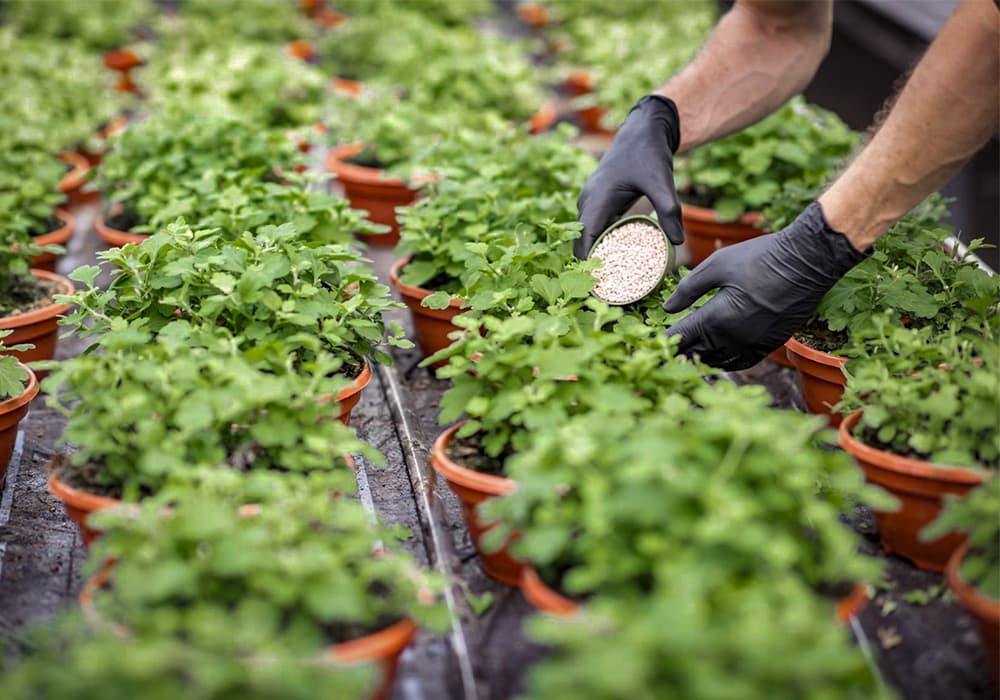

Healthy crops depend on receiving the right balance of nutrients. Without it, growth slows, yields drop, and soil quality declines over time. In Malaysia, where agriculture plays a vital role in both small-scale farming and large plantations, NPK-based fertilizers are one of the most effective solutions for improving soil fertility and achieving consistent results.
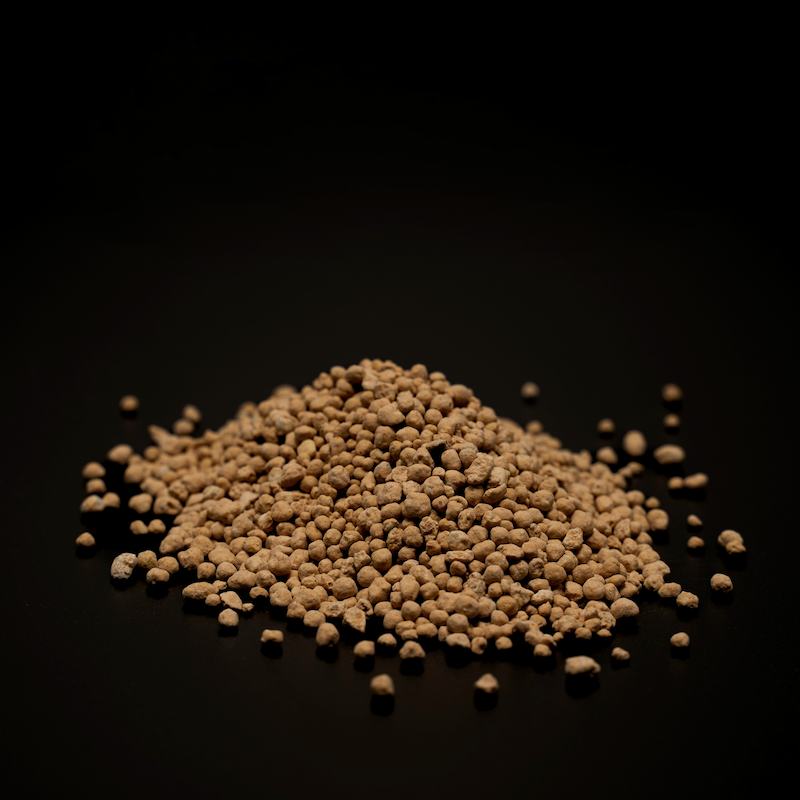
What Is NPK Fertilizer?
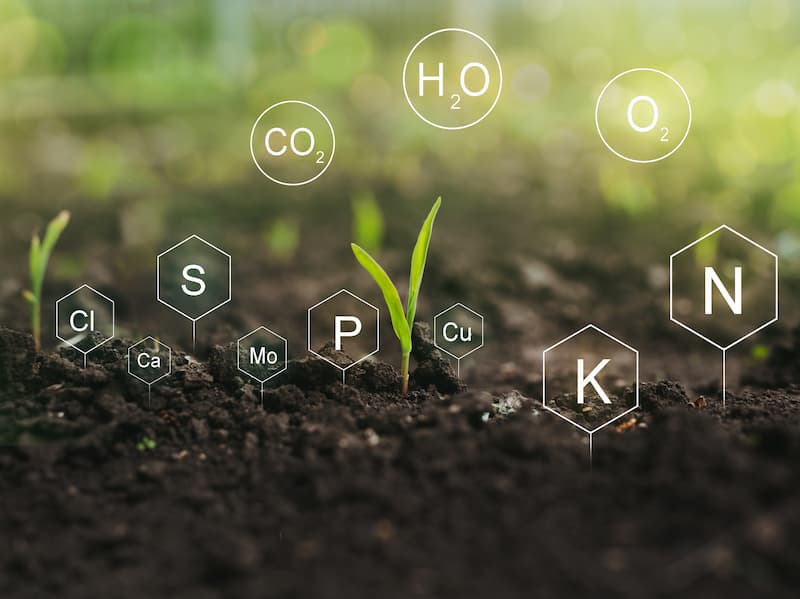
The term NPK stands for the three primary nutrients every plant needs to grow:
N – Nitrogen (N): Promotes leafy, green growth and overall vigor.
P – Phosphorus (P): Strengthens root development and supports flowering and fruiting.
K – Potassium (K): Improves plant resistance, water regulation, and fruit quality.
An NPK fertilizer contains these three nutrients in different ratios, designed to meet the specific needs of various crops and soil types.
Understanding NPK Ratios
When you see a product labeled NPK 16-16-16, it means the fertilizer contains 16% nitrogen, 16% phosphate (P2O5), and 16% potash (K2O). These are the oxide forms used on every fertilizer label worldwide, which is why the numbers are not pure nitrogen, phosphorus and potassium.
Different ratios suit different crops and stages:
- 15-15-15: Balanced feeding for young plants, vegetables, and trees recovering after harvest. A 50 kg bag holds 22.5 kg of nutrient.
- 16-16-16: The same balanced feeding in a stronger bag: 24 kg of nutrient per 50 kg, about 7% more than 15-15-15, so fewer bags for the same feed. Pick between the two on price per kg of nutrient.
- 12-12-17+2MgO: For mature trees bearing fruit and oil palm in production, when potassium demand is highest. Magnesium is built in.
Choosing a ratio that matches your crop and soil means less waste and steadier growth. It does not remove the need to apply the right amount, because any fertilizer can be over-applied.
For a closer look at how these three compare and which suits which crop, see our full guide, NPK 15-15-15 vs 16-16-16 vs 12-12-17.
Prefer to read this in Bahasa Malaysia? See our full guide, Apa itu baja NPK: panduan jenis, nisbah dan kegunaan.
What the Three Numbers Leave Out
The three numbers cover nitrogen, phosphate and potash. They say nothing about the other nutrients a crop needs, and a shortage of those will cap your yield just as firmly as a shortage of NPK.
Two matter most in Malaysian conditions:
- Magnesium (MgO): Drives photosynthesis. In oil palm, a shortage shows as orange fronds on the sunlit side of the palm, while shaded parts stay green.
- Sulphur (S): Works alongside nitrogen to build protein. Sulphate moves easily in soil, so heavy rain can carry it below the root zone.
This is why every Borochemie compound grade carries +5S, and why 12-12-17+2MgO has magnesium built into the granule instead of leaving it for a separate round. Boron, the other nutrient most often short in Malaysian plantations, is applied separately.
Applying NPK at Each Growth Stage
Understanding the NPK ratio is only the first step. Knowing how to apply the right NPK fertilizer at each stage of plant growth can make a big difference in yield and plant health. For a practical guide on which fertilizers to use from seedlings to fruiting, check out our article Choosing the Right Fertilizer for Plant Growth Stages.
Forms of NPK Fertilizer
Not all NPK fertilizers are made the same. Even when two products share the same ratio, their performance can differ based on how they are manufactured and how they release nutrients.
“Form” covers how the nutrients are combined, how the granules are produced, and how quickly they become available in the soil. It affects how often you need to apply, how much of the nutrient the crop actually takes up, and how evenly it spreads across the field.
Types of Release Methods
Different release methods control the speed and consistency of nutrient availability, affecting how often you need to apply the fertilizer and how efficiently the crop can use it.
Fast-Release Fertilizers
Nutrients dissolve quickly in the soil and become available almost immediately. Common in standard granular and water-soluble NPK products.
Slow-Release Fertilizers
Nutrients are released gradually over time through chemical structure or partial coatings, helping reduce nutrient losses.
Controlled-Release Fertilizers (CRF)
Nutrients are released at a predictable rate using advanced polymer or sulfur coatings, providing longer and more consistent feeding.
Water-Soluble Fertilizers
Fully dissolves in water and is commonly used in fertigation or foliar spraying for fast and precise nutrient delivery.
Why NPK-Based Fertilizers Are Important for Malaysian Agriculture
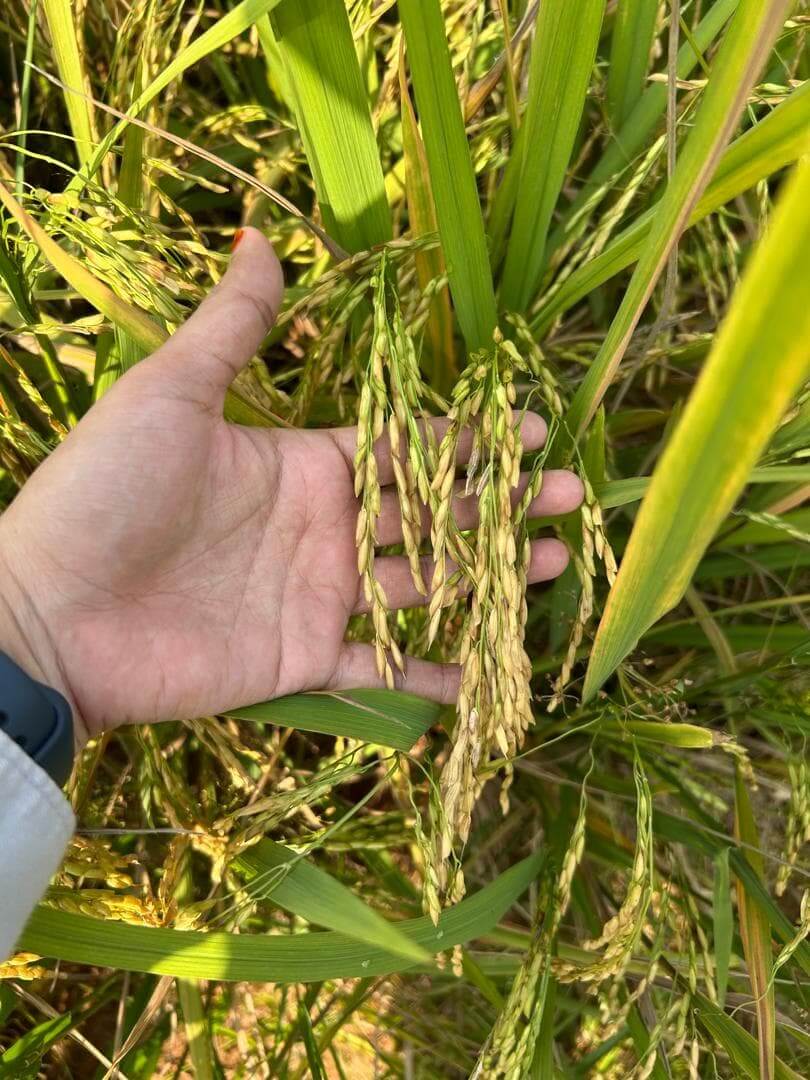
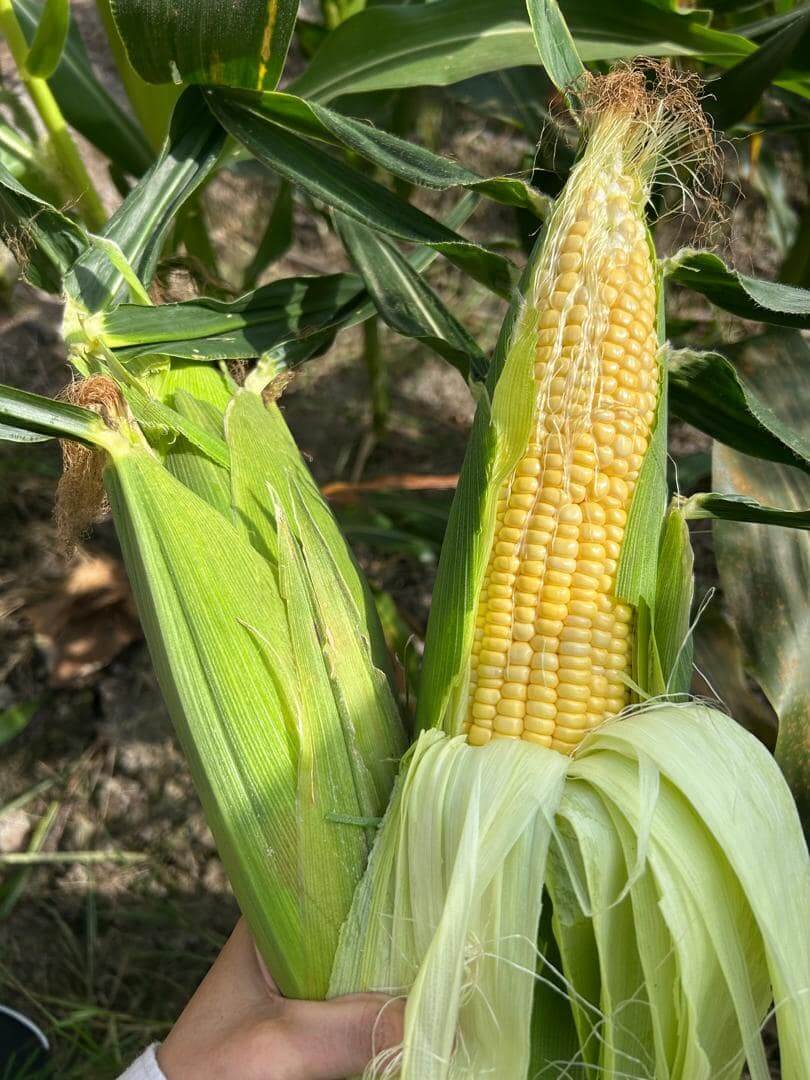
Malaysia’s tropical climate and diverse crops, from oil palm and paddy to fruits and vegetables, mean that soils can easily become nutrient-deficient due to frequent planting cycles and heavy rainfall.
NPK fertilizers help:
- Replenish key nutrients lost from soil over time.
- Improve plant growth and root development.
- Increase yield and fruit quality.
- Enhance soil fertility for future planting cycles.
They are especially valuable for fruit growers and plantation owners, where consistent quality and productivity directly affect profitability.
Types of NPK Fertilizers
There are two main types of NPK fertilizers available:
- Compound Fertilizers:
- Each granule contains all three nutrients (N, P, K).
- Ensures uniform nutrient distribution during application.
- Commonly imported from Europe and trusted for consistency.
- Blended Fertilizers:
- Physically mixed from separate N, P, and K sources.
- If the granules are not all the same size, they separate as the bag is moved and poured, so one pass of the spreader can deliver more of one nutrient than the next.
For long-term reliability and even growth, compound fertilizers like those supplied by Borochemie Malaysia are preferred by many farmers and agricultural businesses.
Choosing the Right NPK Fertilizer
Selecting the right NPK ratio depends on three key factors:
- Soil condition: Some soils already contain sufficient nutrients, while others may lack potassium or phosphorus.
- Crop type: Leafy crops need more nitrogen; fruiting crops benefit from higher potassium.
- Weather and growth stage: Nutrient needs change from planting to fruiting stages.
It’s always best to consult with a fertilizer expert who can help match the formula to your crop requirements.
Getting It Right for Your Crop
NPK-based fertilizers are essential for sustainable and productive farming in Malaysia. Once you know what the numbers mean and what they leave out, choosing becomes a question of matching the grade to your crop and the stage it is at.
If you already know the grade you need, our NPK fertilizer range is here. If you are not sure, tell us what you grow and we will recommend a grade and a schedule.
